
When you might be told to shelter
Most people will never need this guide. But the National Risk Register includes industrial accidents, large fires, chemical releases, and civil nuclear incidents, and every so often a big fire somewhere in Britain produces a warning to keep windows shut. You might be told to shelter by:
- an Emergency Alert on your phone
- police or fire crews in your street
- local radio, TV or your council’s social media
The instruction will usually be some version of go in, stay in, tune in. Do it straight away.
Go in
- Get everyone indoors as quickly as possible. If you are outdoors and cannot reach home, go into the nearest solid building.
- Bring pets in if they are nearby, but do not go out searching for them.
- If you have been outdoors in smoke, dust or a possible release, remove your outer clothing as you come in and put it in a bag. Official radiation guidance says this removes around 90% of contamination. Then wash or shower if you can: use shampoo but not hair conditioner, which can bind contamination to hair.
Stay in
- Close all windows and doors, including internal doors.
- Turn off extractor fans, air conditioning and ventilation, and close trickle vents on windows.
- Go to a room in the middle of the building, away from external walls and windows, or a basement if you have one. Brick or stone buildings give more protection than lightweight ones.
- Do not collect children from school. Schools have emergency plans and the children are safer inside there than on the road with you.
- Do not try to evacuate unless you are told to. Being outdoors or in a car during a release is far more dangerous than sheltering.
- Expect to stay in for one to two days in a radiation emergency, unless the authorities tell you otherwise. That is when your food store and water store matter.
How much does it help? The UK Health Security Agency says that staying inside a typical house can reduce the radiation you breathe in by around 40%, and reduce direct exposure from radioactive material outside by around 85%.
Tune in
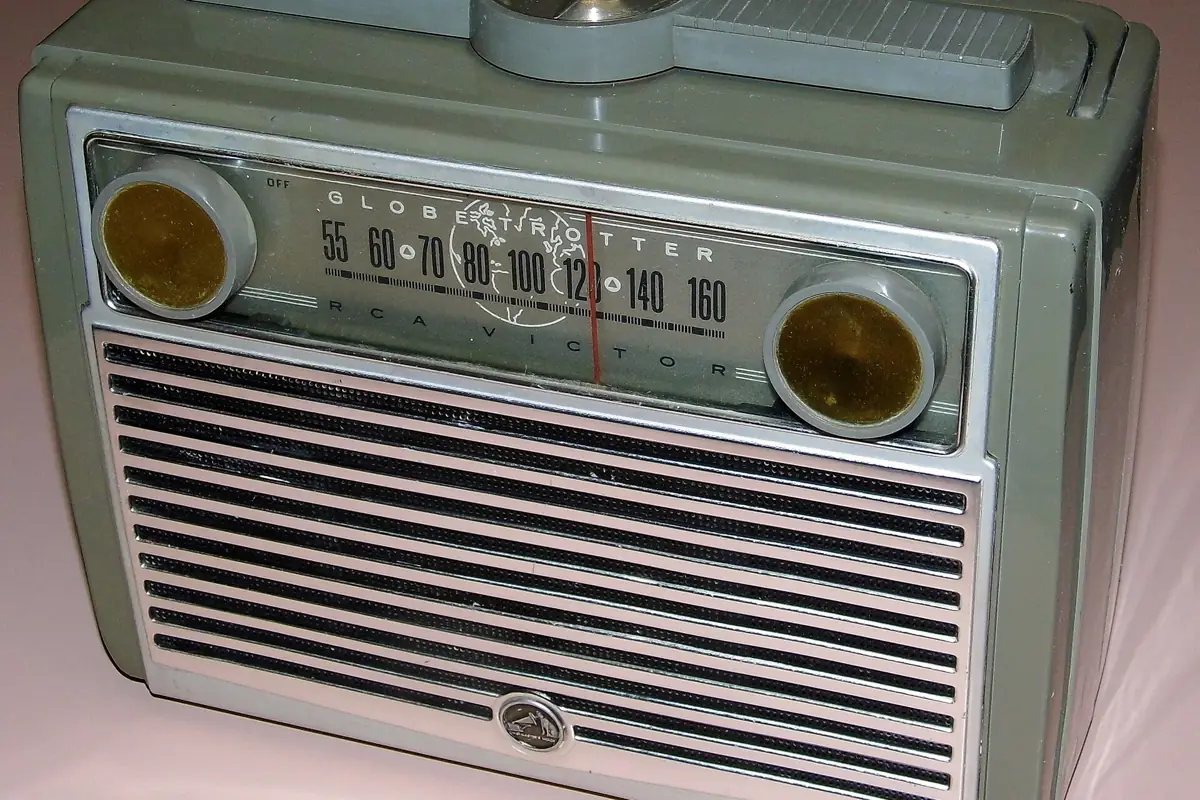
- Listen to local radio, watch TV or check official sources and your council’s channels. A battery or wind-up radio keeps working if the power goes too.
- Keep Emergency Alerts switched on.
- Use your phone sparingly, to keep networks free for the emergency services, and don’t share unverified rumours.
Tap water: the official advice is that tap water remains safe to drink unless you are told otherwise. Mains water has two to three days’ worth of treated water already in the system.
Iodine tablets: what they do and don’t do
Searches for potassium iodide tablets in the UK spike whenever nuclear risks are in the news. Here is the official position, from the UK Health Security Agency:
- Stable iodine tablets only protect the thyroid gland, and only against radioactive iodine. They do nothing against other radioactive materials or against radiation in general.
- Only take them if public health authorities tell you to. People living near nuclear sites in the UK are covered by local plans, and tablets are made available as part of those plans.
- One dose protects for about 24 hours. They work best taken from 24 hours before to 2 hours after exposure, and can still help up to 8 hours after.
- They should not be taken for the first time more than 24 hours after exposure.
- Do not use iodised table salt as a substitute. It contains far too little iodine to help and eating large amounts is dangerous.
Do not take iodine tablets “just in case”. They can cause side effects and are not suitable for everyone, especially people with thyroid conditions. Follow official instructions, and ask a pharmacist if you are unsure.
Smoke from big fires
The most common real-world use of this advice in the UK is a large fire nearby: a warehouse, a recycling site, a moorland blaze. The same steps apply. Keep windows and doors closed, turn off ventilation, and keep inhalers and medicines to hand if anyone has asthma or a lung condition. Call 999 if someone has trouble breathing.
Thinking about the worst case
It is natural to wonder about war and nuclear weapons. The government’s guidance for a radiation emergency, from any cause, is the advice on this page. There is no public shelter network in the UK. The protection you can get from an ordinary house, plus water, food, a radio and the patience to stay inside, is the protection the official plans assume. Our long-haul guide to a war or national emergency covers the wider picture calmly.
Official sources we used
- What to do in a radiation emergency (UK Health Security Agency, GOV.UK)
- Hazardous materials incident (Prepare, UK Government)
- Emergency Alerts (GOV.UK)
- National Risk Register 2025 (Cabinet Office, GOV.UK)
- Office for Nuclear Regulation (ONR)