
How we ranked this list
We started from the official lists: the UK Government’s Be Ready checklist, the British Red Cross emergency kit, Ready Scotland and NI Direct. They broadly agree. We then ranked each item by a simple question: if this were missing when the power and water went off tonight, how bad would it be?
We have not tested products for this page, and we do not earn anything if you buy them. Most items are generic: any decent torch will do. Where a choice really matters, we say what to look for.
Tier 1: the essentials
This is the Be Ready baseline: three days, the whole household. Much of it may already be in your home.
1. Drinking water
You can go weeks without food but only days without water, and burst mains, contamination and power cuts at pumping stations all turn taps off with little warning. Be Ready says 3 litres per person per day. For three days, that is 9 litres each.
- Buy: sealed bottled water in large packs. It keeps for a long time and you can check the best-before date.
- Add: extra for pets, and for anyone who needs more, such as babies on formula or people who are unwell.
- Look for: bottles you can carry. Five-litre bottles are easier to handle than one large container.
Use our water calculator for your household, and read what to do when the taps run dry.
2. Light
A dark house is where most power cut injuries happen: falls on stairs, burns from candles. Be Ready puts it plainly: torches are safer than candles.
- Buy: one LED torch per adult, plus a head torch so you have both hands free.
- Look for: torches that take the same common battery (AA or AAA) so your spares fit everything.
- Add: a couple of battery lanterns for a room. They light a kitchen far better than a torch beam.
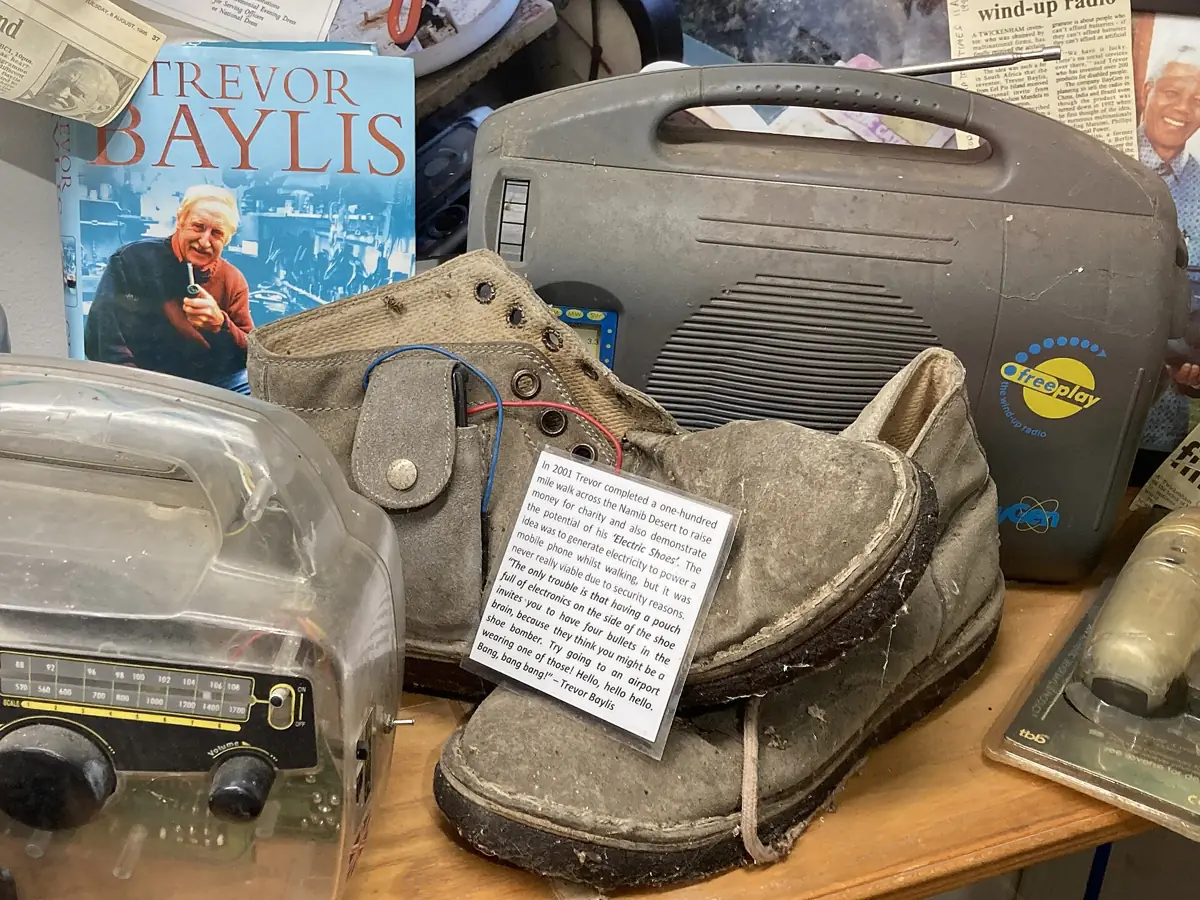
3. A radio that does not need mains power
In a long power cut, mobile masts often run out of backup power within hours and broadband goes with the electricity. Local and national radio keeps broadcasting. It is how you will hear about water advice, rest centres and road closures.
- Buy: a battery or wind-up FM/DAB radio. Many also have a hand crank and a USB socket.
- Look for: FM as well as DAB. FM generally reaches further and uses less power.
4. Food that needs no cooking
Three days of food you can eat cold, straight from the tin or packet, and that your household will actually eat. A manual tin opener is essential: it is the one thing people most often forget.
- Buy: tinned fish, meat, beans, soup and fruit; crackers; peanut butter; cereal bars; dried fruit and nuts; UHT milk.
- Remember: baby food and formula, special diets and pet food.
Our food store guide covers how to build this up to weeks and keep it in date.
5. Warmth
Nearly all central heating needs electricity, including gas boilers and heat pumps. In winter, a cold home is a real health risk for older people, babies and anyone with a heart or lung condition.
- Buy: blankets or sleeping bags for everyone, hats, gloves and thermal layers.
- Look for: a sleeping bag rated for the season. A “comfort” temperature of around 0°C is a sensible target for a cold house in winter.
See keeping warm in a power cut.
6. Phone power
Your phone is your torch, map, radio and lifeline, and the battery will not last long when you are using it more than usual.
- Buy: a power bank of at least 10,000mAh per phone, kept charged, and the right cables.
- Add: a car charger if you have a car.
Read our power bank guide and try the power bank calculator.
7. First aid and medicines
- Buy: a ready-made first aid kit, then add what your household needs: painkillers, antihistamines, plasters, any creams you use.
- Ask: your GP or pharmacist how to keep a small buffer of regular medicines. Never stockpile prescription medicines without advice.
See first aid when help is delayed.
8. Cash, keys and documents
Card machines and cash machines need power and a network. A cyber attack or outage can stop card payments for hours or days.
- Keep: some cash in coins and small notes, spare keys, and copies of passports, insurance, prescriptions and important numbers in a waterproof wallet.
Read cash and documents.
Tier 2: stretch to a week or more
Once tier 1 is done, extend it. None of this is urgent, and all of it is worth more than any gadget.
- More water and food, to cover 7 then 14 days, rotated through your normal shopping.
- Water containers you can fill from a bowser or neighbour, and unscented household bleach or purification tablets as a backup. See water for weeks.
- A camping stove and fuel, for outdoor use only. See the carbon monoxide warning on our food store guide.
- A battery carbon monoxide alarm in every room with a fuel-burning appliance. See CO alarms.
- Hygiene kit: wet wipes, hand sanitiser, bin bags, toilet roll, and a bucket with lid and bags for a toilet if water is off for days.
- A grab bag for each person in case you have to leave. See grab bag and evacuation.
- Offline maps on your phone. See offline map apps.
Tier 3: optional extras
These cost real money. They are useful for some households and pointless for others.
- A portable power station. Worth it if someone relies on powered medical equipment, you work from home, or you live where long power cuts are common. See our researched power station picks.
- Licence-free PMR446 walkie-talkies, to keep in touch with family or neighbours nearby when phones are down. See comms when phones are down.
- Flood protection, such as flood doors or airbrick covers, if you are in a flood risk area. Check first: see flooding.
- A small solar panel to recharge power banks or a power station on longer outages.
What not to waste money on
Never use a barbecue, camping stove, patio heater or generator indoors, including in a garage, tent or porch. They produce carbon monoxide, which can kill in minutes. It is one of the biggest dangers in any power cut.
- Pre-packed “survival” bundles full of low-quality items you would never choose. Build your own with things you trust.
- Ready meals with a 25-year shelf life that nobody in your house likes. Normal tins rotated through your cupboard do the same job.
- Anything that only works with mobile data, such as weather or map apps without offline mode.
- Weapons. They are illegal to carry in public in the UK, make every situation more dangerous and have no place in a household emergency kit.
- Iodine tablets bought online. Take them only if public health authorities tell you to. See go in, stay in, tune in.
Keeping it ready
Put everything in one or two boxes in a place everyone can reach in the dark, not the loft. Set a reminder twice a year, for example when the clocks change, to check dates, batteries and the power bank charge. Print the prepping checklist and keep it in the box.
Kit for this guide
The tier 1 essentials. All research-based: types of item recommended by Be Ready, the British Red Cross and NI Direct.
- Bottled water: 3 litres per person per day for 3 days Research-based
- Torch per adult, plus spare batteries Research-based
- Battery or wind-up FM radio Research-based
- 3 days of no-cook food and a manual tin opener Research-based
- Blankets or sleeping bags Research-based
- Power bank, kept charged Research-based
- First aid kit and a few days of regular medicines Research-based
- Cash, and copies of key documents in a waterproof wallet Research-based
Official sources we used
- Be ready for emergencies (Be Ready checklist) (Be Ready, UK Government)
- Prepare an emergency kit (British Red Cross)
- Household emergency kit (NI Direct)
- Ready Scotland (Scottish Government)
- Food safety in a power cut (Food Standards Agency)