
Stay or go?
In most UK emergencies, the safest place is inside your own home. Power cuts, storms, snow, heatwaves and most chemical or smoke incidents are all safer indoors. Evacuation happens when staying becomes more dangerous than leaving:
- The police, fire service or council tell you to leave. Do as they say. They can see things you cannot.
- A severe flood warning is issued for your area, meaning danger to life.
- There is a fire in or near your home, or you smell gas.
- Your home is damaged and no longer safe, for example after a storm brings down a tree or part of the roof.
If you are told to go in, stay in, for example after a chemical or radiation release, do the opposite: stay inside and do not try to travel. See go in, stay in, tune in.
What goes in a grab bag
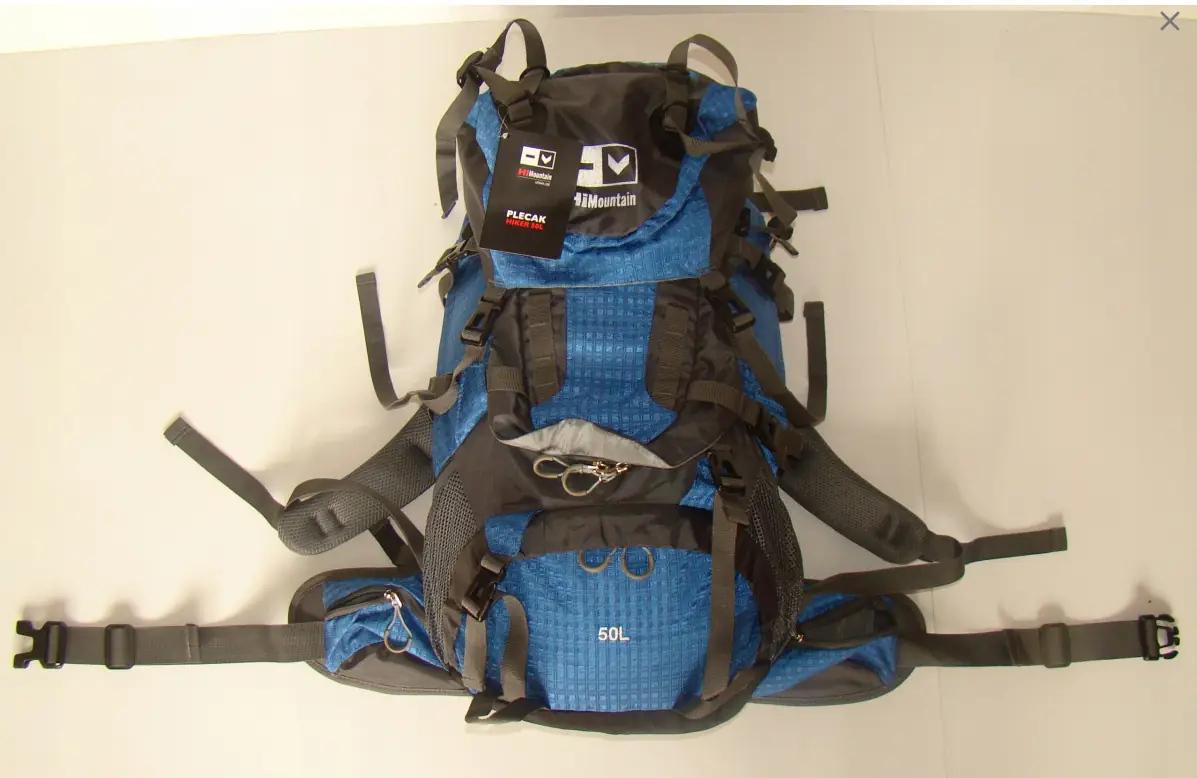
A grab bag (sometimes called a go bag or bug-out bag) is a small bag for each person that lets you leave in minutes and get through a day or two away from home. Keep it light enough to carry for half an hour. A rucksack is best, so your hands stay free.
The things you cannot replace quickly
- Medicines for at least three days, plus a written list of what each person takes, doses and allergies, and copies of prescriptions.
- Documents: copies of passports or driving licences, insurance policy numbers, and bank and utility details, in a waterproof wallet. A photo of each on your phone helps too.
- Glasses, hearing aids, mobility aids, dentures and spare batteries for them.
- Keys to your house and car, and some cash in small notes and coins.
- A list of phone numbers on paper, in case your phone dies or is lost.
Things to get through the night
- Phone charger and a charged power bank
- Torch and spare batteries
- Bottled water and some snacks
- A warm layer, waterproof jacket and a change of clothes and underwear
- Toiletries, sanitary products, hand sanitiser and wet wipes
- A small first aid kit
- Something to pass the time: a book, cards, a child’s favourite toy
Children, older relatives and pets
- Babies: nappies, wipes, formula, bottles and a change of clothes.
- Children: comfort items, snacks they will eat and anything they need for school.
- Older or disabled people: medicines, aids, care plan and carer contacts. See caring for dependants.
- Pets: lead or carrier, food, water, bowls, medicines and vaccination records. Not all rest centres can take pets, so plan where they could go.
When the knock comes: leaving safely
- Grab the bags and the people. Do not stop to pack anything else if you are told to leave immediately.
- If there is time, turn off gas, electricity and water at the mains, but only if it is safe to do so. Never touch electrical switches if you are standing in water.
- Lock up and close internal doors and windows.
- Follow the route you are given. Do not take shortcuts through flood water. Thirty centimetres of moving water can float a car.
- Tell someone where you are going: your out-of-area contact, a neighbour, the people running the evacuation.
- Check on neighbours who may need help, if you can do so safely.
Never walk, swim or drive through flood water. It can be much deeper and faster than it looks, and it hides open manholes, debris and sewage.
Where you will go: emergency rest centres
Most people who are evacuated stay with family or friends. If you have nowhere to go, your council will open an emergency rest centre, often in a school, leisure centre or community hall. Councils and volunteers, frequently from the British Red Cross, run them.
What to expect:
- You will be asked to register your name and the people with you, and to sign in and out. This is so the authorities can account for everyone and answer worried relatives.
- Rest centres offer shelter, warmth, drinks, food and toilets, and somewhere to sleep if you need to stay overnight. Expect camp beds and blankets rather than comfort.
- There will be information about what is happening and when you might be able to go home.
- Bring your grab bag. Rest centres may not have the medicines, baby supplies or chargers you need.
Even if you are staying with friends, let the council or police know where you are.
Going home
- Do not go back until the emergency services or council tell you it is safe.
- After a flood, do not turn on electricity or gas until they have been checked. Wear gloves and boots, and assume flood water was contaminated.
- Take photos of all damage before you clean up, and call your insurer as soon as you can.
- Look after yourself. Being forced out of your home is frightening, and the stress often hits days later. Talk to someone, or call NHS 111 if you are struggling.
Keep it ready
A grab bag only works if it is where you can find it, packed and up to date. Check it every six months: medicines and dates, batteries, power bank charge, phone numbers, and seasonal clothes. Our printable checklist includes a grab bag section.
Kit for this guide
A grab bag per person, from British Red Cross and council advice. Research-based: types of item, not products we have tested.
- Medicines for at least 3 days, and copies of prescriptions Research-based
- Copies of key documents in a waterproof wallet Research-based
- Phone, charger and charged power bank Research-based
- Cash, keys and bank cards Research-based
- Glasses, hearing aids and other aids Research-based
- Small first aid kit and hand sanitiser Research-based
- Torch and spare batteries Research-based
- Bottled water and snacks Research-based
- Warm layer, waterproof, change of clothes and underwear Research-based
- Toiletries, and baby or pet essentials Research-based
Official sources we used
- Prepare an emergency kit (British Red Cross)
- What to do if you are evacuated (Lewisham Council)
- Ready to evacuate (Telford & Wrekin Council)
- Be ready for emergencies (Be Ready, UK Government)
- What to do before, during and after a flood (GOV.UK)